
Dublin Port Company- Dublin Safeport Initiative
The Challenge
Before the launch of the Dublin SafePort initiative, safety across Dublin Port was managed independently by individual terminal operators. Each terminal applied its own procedures for signage, personal protective equipment, vehicle speeds and risk controls. This lack of alignment created inconsistent safety standards across the port estate and made it difficult to manage hazards holistically.
Limited collaboration between terminals meant that safety learning, communication and risk management were fragmented. Workers were exposed to unclear expectations and differing practices as they moved across the port, increasing the potential for incidents. Without a shared safety culture, proactive intervention and mutual care were difficult to achieve in such a busy, complex operating environment.
The Innovation
Dublin SafePort is an innovative, collaborative initiative led by Dublin Port Company (DPC) to transform safety culture across the port. Rather than imposing rules, DPC focused on building trusted partnerships with terminal operators to create a shared commitment to safety.
Central to the initiative was establishing inclusive relationships between DPC and the seven main terminal operators. This collective approach enabled open dialogue, shared learning and the alignment of safety expectations across all port operations. Safety was reframed as a shared responsibility, empowering workers and organisations to actively contribute to continuous improvement.
By shifting from enforcement to engagement, SafePort created a sustainable cultural change built on collaboration, trust and mutual accountability.
How It Was Implemented
DPC implemented SafePort through a structured, inclusive approach, engaging terminal operators representing the majority of the port workforce. Strong support from the Health and Safety Authority and the Irish Congress of Trade Unions reinforced worker participation and regulatory alignment.
Early practical steps, such as consistent speed limits and standardised PPE requirements, delivered visible improvements and built confidence in the partnership. Experienced safety leadership consultants supported the embedment of shared safety principles.
As the initiative matured, SafePort extended engagement to infrastructure and transport organisations, hosting leadership events, reflective reviews and shared‑learning forums to ensure continuous progress.
What Was the Result
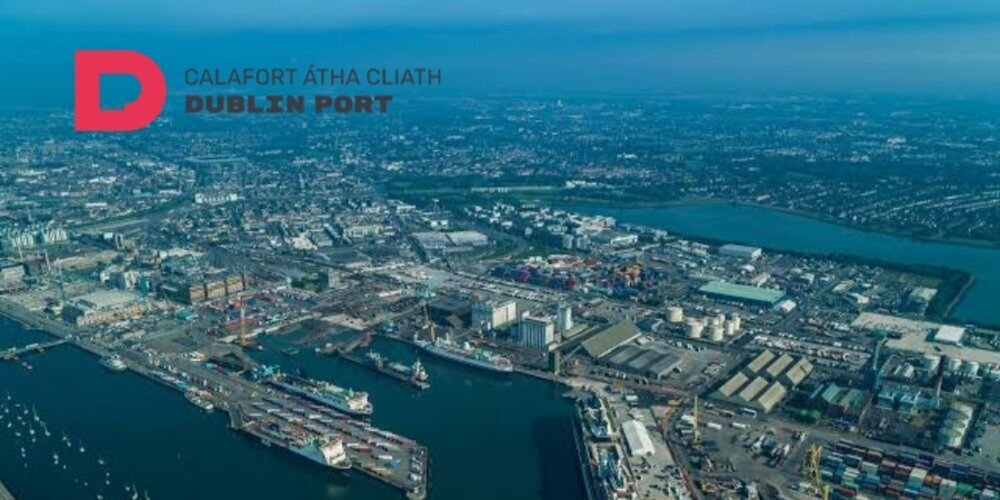
SafePort successfully united terminal operators, port authorities and key stakeholders into a trusted safety network. Aligned standards and collaborative working groups improved safety awareness and consistency across one of Ireland’s busiest ports, handling around 50 ship movements and 17,000 vehicles daily.
The initiative has received international recognition and significantly strengthened safety relationships, procedures and culture across the port estate.
Conclusion
The Dublin SafePort initiative demonstrates how collaboration can transform safety culture in complex port environments. By building trusted partnerships, aligning standards and fostering shared responsibility, Dublin Port Company has created a resilient, proactive safety culture recognised well beyond Ireland.
With continued investment and leadership, SafePort will remain a benchmark for how ports can protect their people while supporting safe, efficient operations in the maritime industry.
- Date
- 25/08/2026