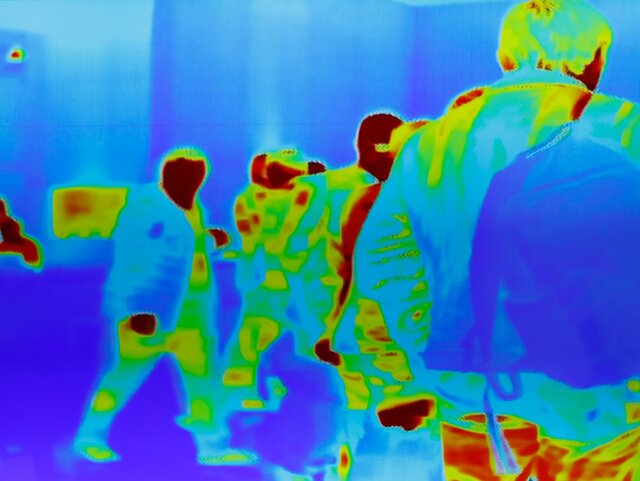

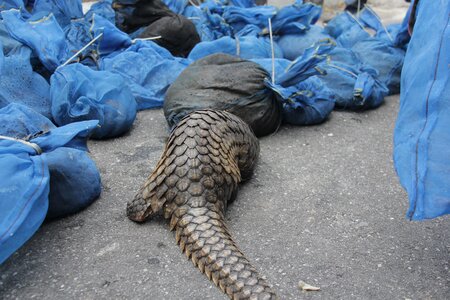
Global supply chains are increasingly exploited by traffickers moving drugs, people, and wildlife. Containerised transport offers anonymity and scale, making it a prime target for organised crime.
TT Club highlights the urgent need for vigilance, collaboration, and proactive security measures. This page explores how traffickers infiltrate legitimate logistics networks, the red flags to watch for, and the steps operators can take to disrupt illicit activity.
From smart container technology to awareness training and reporting protocols, protecting cargo means protecting communities, ecosystems, and reputations from the hidden dangers of trafficking.
Get in touch
If you would like more information on any of these topics, submit an enquiry to our Loss Prevention team.
Latest resources





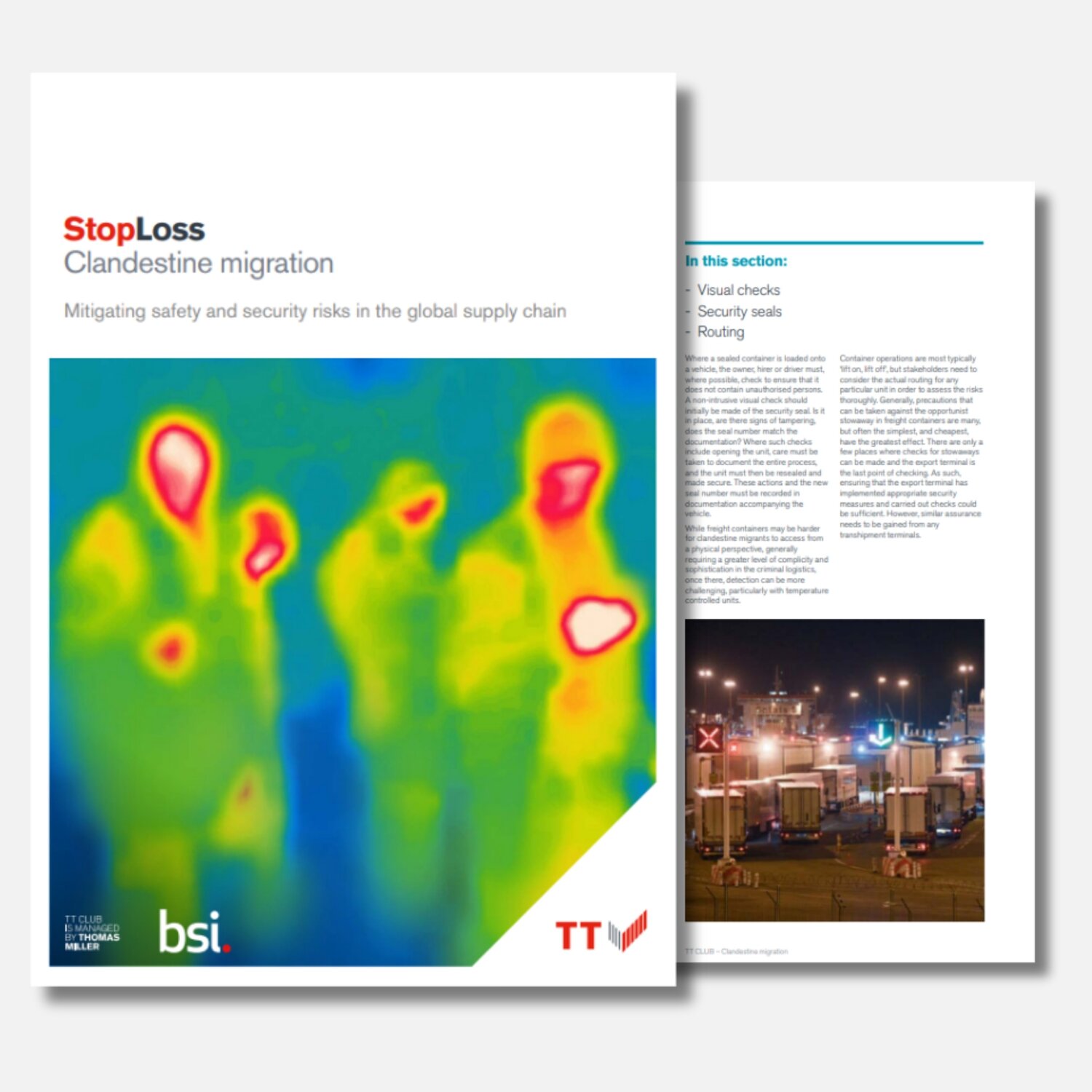
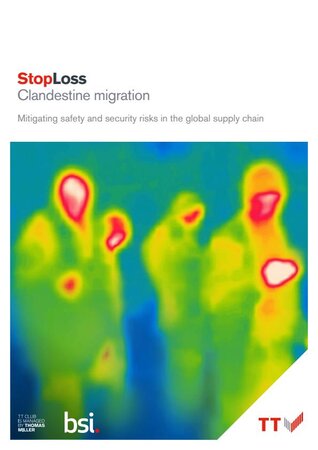
Stop Loss: Clandestine Migration
The smuggling of people into the affluent countries of North America and Europe has increased in recent years as people flee civil wars or persecution in their own countries, or simply seek a better life.
All modes of transport and types of cargo transport unit (CTU) are exposed to this issue. The international clandestine migration of people has become a persistent threat to the unitised supply chain. Criminal organisations are often the facilitators of this clandestine movement. They know that the simplest way to move people across international borders is to hide them in legitimate freight transport.
In order to combat the criminal threat and the aspirations of the migrant or stowaway, all stakeholders in the supply chain need to be constantly vigilant.
Latest publications
Combatting modern slavery
Modern slavery refers to the exploitation of people for personal or commercial gain through methods such as forced labour, debt bondage, and other forms of coercion. While legal slavery has largely been abolished, many individuals around the world continue to be trapped in situations where their rights, freedom, and wellbeing are severely restricted.
This global issue affects a wide range of industries and communities, taking different forms depending on the circumstances. Understanding these risks is an important step towards preventing exploitation and protecting vulnerable individuals.