
Port hosts new renewable energy training hub
To meet the global need to produce clean and affordable energy, there is a demand to increase the numbers of skilled and qualified workforce who can plan, deliver and operate in this emerging sector.
For example, according to the 2023 Offshore Wind Skills Intelligence Report, 6 employment in the UK offshore wind sector alone is forecast to triple by 2030 (Figure 1).
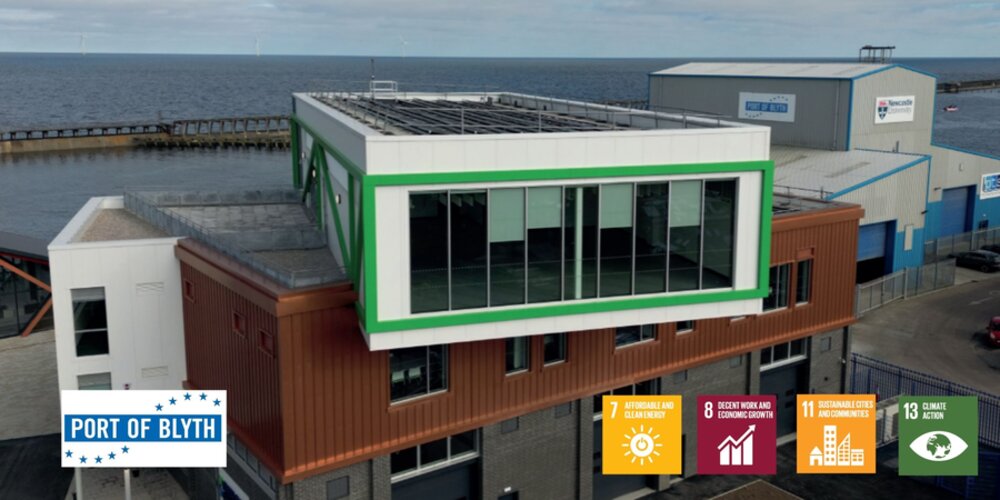
In response, a port on the UK’s east coast has enabled the development and construction of a £15 million science, technology, engineering and mathematics (STEM) education and vocational training hub, which aims to help develop the next generation of people working in the offshore renewable energy sector.
Officially opened in June 2025, the new Energy Central Learning Hub is the first phase of the Energy Central Campus – a unique partnership between the Port of Blyth, Northumberland County Council and the Offshore Renewable Energy (ORE) Catapult. The partnership’s mission is to create the pipeline of talent required for the expanding clean energy sector, at the same time as inspiring, training and delivering pathways to employment for the local community.
The Port of Blyth in Northumberland is one of the UK’s leading offshore energy support bases. It is an important hub for the movement of a range of project, containerised, dry bulk and break bulk cargoes as well as a key location for offshore decommissioning. It is also home to the National Renewable Energy Centre (Narec), which opened in 2014 and is part of the ORE Catapult. A total of 115 energy-sector businesses are now based in the town.
New facilities
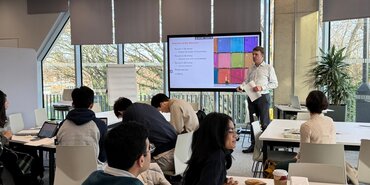
Located on Quay Road in the South Harbour Terminal, the new hub’s facilities include specialist electrical and mechanical workshops, classrooms, a major regional STEM hub, digital skills training facilities, an immersive Clean Energy Visitor Centre, and conferencing and events space for up to 250 people.
The hub is expected to:
- help 3,500 young learners a year engage with STEM subjects through the region-wide STEM@EnergyCentral initiative
- accommodate over 800 learners a year undertaking formal qualifications including traineeships, apprenticeships, T-levels and short modular courses.
- welcome 5,000 initial visitors to the Clean Energy Visitor Centre in the first full year of operation, rising to 15,000 visitors a year over the next 10 years (source: Port of Blyth).
Energy Central Campus has partnered with local learning and academic organisations to offer courses to young people and professionals in the energy industry. The aim is to provide high quality training and education to support the sector and advance careers in clean technology.
A further phase, the Energy Central Institute, is set to open at the end of 2026. This will focus on higher-level skills and innovation, developing energy sector expertise at degree and PhD levels. It will create a focal point for collaboration between energy businesses, the ORE Catapult and north-east universities, helping to develop higher-level skills and technological innovations.

Figure 1 – UK offshore wind sector employment is forecast to triple by 2030
Conclusion
By helping to provide facilities and staff to develop and teach essential renewable energy skills and carry out further research, Port of Blyth is helping society to meet its global needs to transition to clean and sustainable energy sources. The Energy Central Learning Hub is also a great example of what can be achieved through a partnership approach. The local partnership with the Port, local authority and ORE Catapult was able to build a compelling business case to attract both local and central government funding to create a unique and much-needed training facility.
Originally published July 2026 in the Port authority bulletin | July edition
- Date
- 24/07/2026
25/02/2026
Raising safety standards across the port estate
A key role of port authorities is to drive safety across their ports for the benefit of both port users and workers. Dublin Port’s SafePort initiative is a great example of programme which has transformed safety culture across Ireland’s busiest ports.