
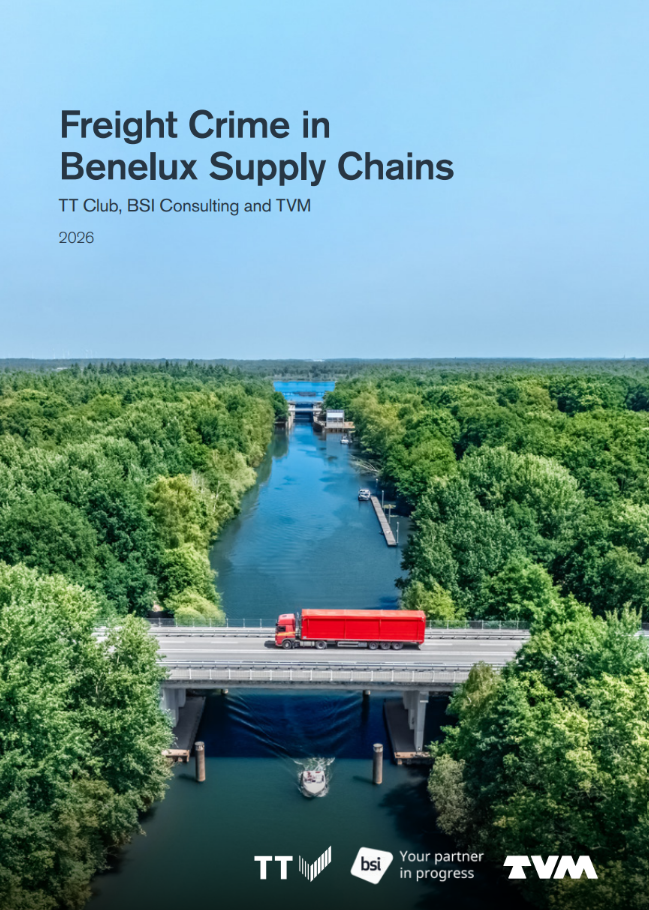
Freight Crime in Benelux Supply Chains
The Benelux region, comprising Belgium, the Netherlands, and Luxembourg, plays a vital role in international logistics. However, it is also a hotspot for freight crime. The latest report from BSI Consulting, TVM and TT Club reveals alarming growth in thefts, particularly through sophisticated schemes involving deception and advanced planning. Opportunistic attacks, such as slash-and-grab thefts, exploit vulnerabilities in cargo transportation, with high-risk areas identified along unsecured parking sites and rest areas across major highways.
Criminal methods have evolved to include cybercrime, insider collusion, and even artificial intelligence techniques that enhance the effectiveness of their operations. The report highlights that in 2025, 76% of thefts worldwide involved trucks, emphasising the complexity and severity of the issue. The Port of Antwerp-Bruges and the Port of Rotterdam are notable focus areas for drug trafficking, with the former becoming a major gateway for cocaine entering Europe.
Legal and insurance considerations
Cargo theft claims are complex and vary significantly across borders due to differing legal interpretations under the CMR Convention. Operators need to understand these nuances to navigate claims successfully, as jurisdictions can be inconsistent.
Recommended security measures
To mitigate risks, several recommendations are proposed for freight operators and facilities. Implementing robust security protocols includes the use of satellite tracking, hiring vetted subcontractors, and enhancing the security of facilities with cameras and access controls. Collaboration across sectors is paramount, as demonstrated by initiatives like the Transport Facilitated Organised Crime programme, which fosters intelligence sharing between logistics companies and law enforcement.
Conclusion
Despite ongoing efforts, the persistence of freight crime necessitates continuous development of strong security measures and inter-agency cooperation. The evolving strategies of criminals underscore the urgent need for vigilance in protecting the region's logistics framework.
Key takeaways
- Benelux is a critical logistics hub vulnerable to freight crime.
- 76% of thefts involve trucks; methods include cyber and insider attacks.
- Legal contexts for cargo theft claims vary across Benelux.
- Enhanced security measures are crucial for protecting logistics.
- Collaboration and innovation are necessary to mitigate freight crime.
Frequently asked questions
What are the main causes of freight crime in Benelux?
Freight crime in Benelux is primarily driven by the region's strategic location, insecure parking, organised criminal networks, and increasing cyber threats.
How can businesses protect against freight crime?
Businesses can protect against freight crime by implementing robust security measures, including satellite tracking, access controls, and comprehensive vetting of partners.
What legal challenges are associated with cargo theft claims?
Legal challenges include varying interpretations of the CMR Convention across countries, complicating claims processing and liability determination.
What are the critical areas of risk for cargo theft?
High-risk areas for cargo theft include the Port of Antwerp-Bruges, the Port of Rotterdam, and unsecured parking areas near major highways.
Documents
Freight Crime in Benelux Supply Chains (2.27 MB) 01/05/2026
TT_Club_BSI_Theft_Report_2025_Benelux_NL_DIGITAL_FINAL__1_.pdf (2.83 MB) 01/05/2026
- Date
- 30/03/2026