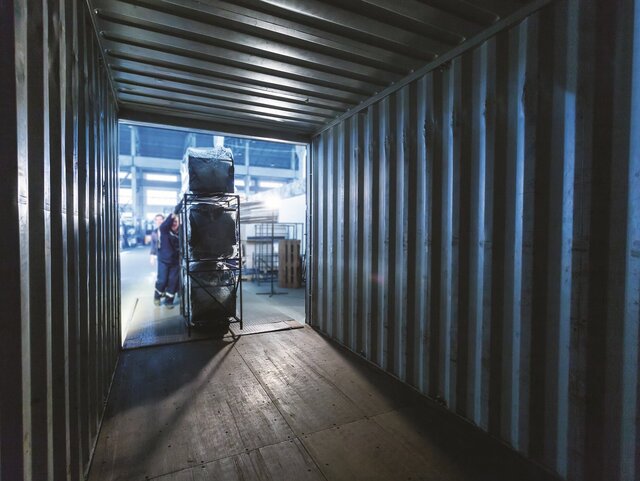

Improper packing of cargo transport units (CTUs) is a leading cause of damage, delay, and loss across global supply chains.
The CTU Code Quick Guide, developed by the Cargo Integrity Group, offers essential guidance for safe and compliant packing practices. Aligned with the IMO/ILO/UNECE Code of Practice, the guide outlines key responsibilities for all stakeholders—from planning to delivery—emphasising CTU condition checks, handling of dangerous goods, and securing techniques.
For transport and logistics operators, understanding and applying these principles is vital to reducing risk, improving safety, and maintaining operational integrity throughout multimodal transport.
Get in touch
If you would like more information on any of these topics, submit an enquiry to our Loss Prevention team.
Latest news




CTU Code
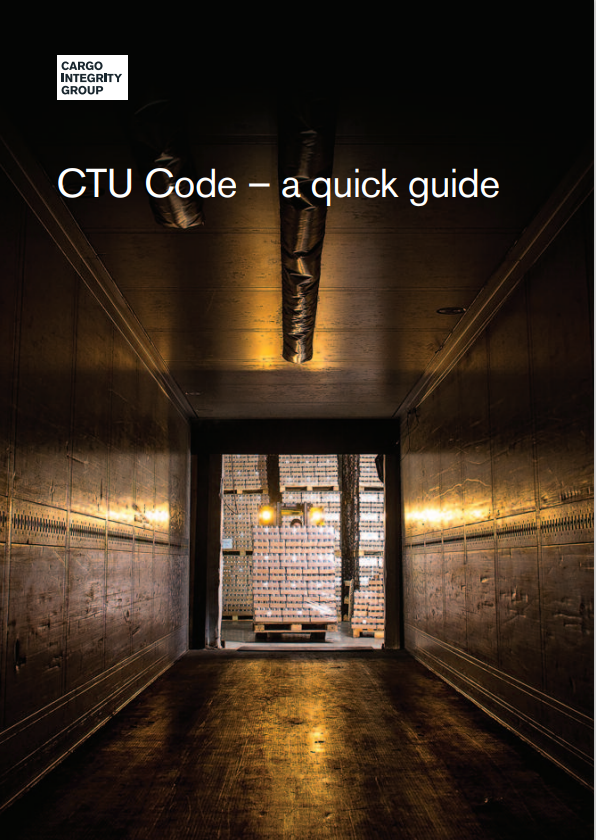
The CTU Code Quick Guide, published by the Cargo Integrity Group, serves as an essential resource for safely packing cargo transport units (CTUs) across global supply chains. This comprehensive guide addresses critical safety protocols that prevent billions in annual losses from improper packing practices whilst ensuring compliance with the IMO/ILO/UNECE Code of Practice.
What is Cargo Integrity?
Cargo integrity is the assurance that goods are correctly packed, secured, handled, and transported so they arrive at their destination without damage, loss, contamination, or risk to people, equipment, or the environment.
Latest publications

MARIN Top Tier
The TopTier joint industry partnership (JIP) is a project focused on the loss of containers at sea. The size of deep sea container ships has increased significantly over the past years. The loss of containers and their impact on the maritime and coastal environments has raised public and political concerns on the safety and environmental impact of modern container ships.

TT Club's claim analysis has shown that as much as two thirds of cargo damage claims can be attributed to poor and improper packing.
Animations

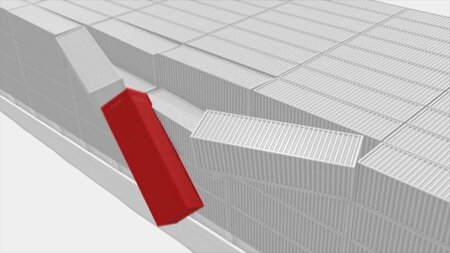
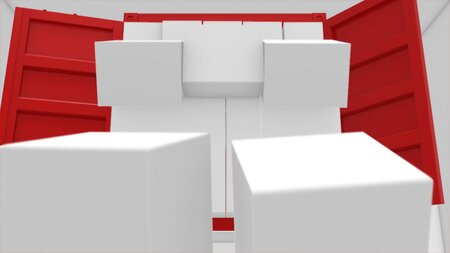
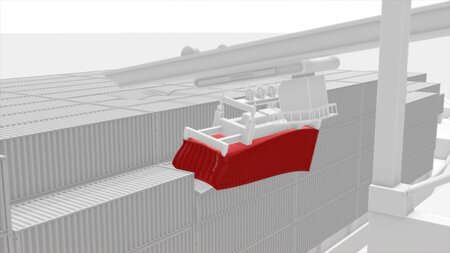
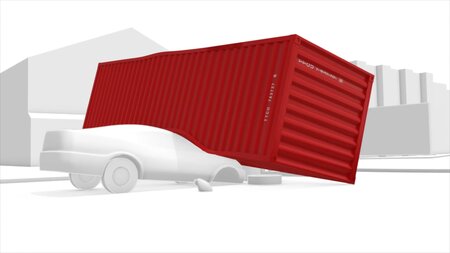
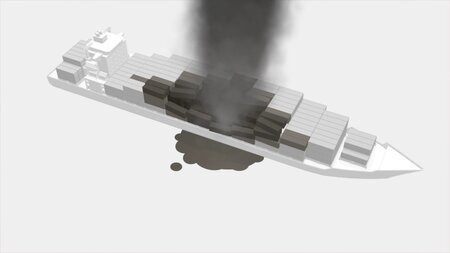
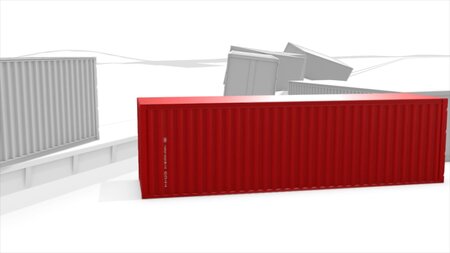
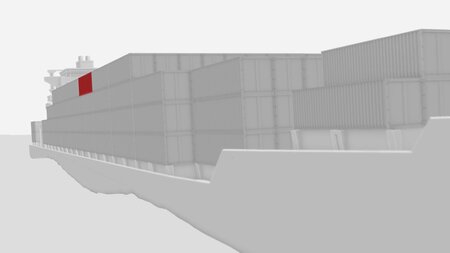
Packing parameters animations

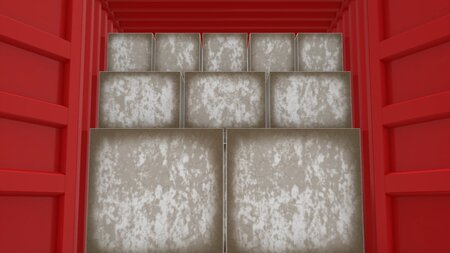
The container packing game
Some say that “any fool can stuff a container” but at TT Club, we understand the complexities and importance of correctly packed cargo. TT Club developed the Container Packing Game as a simplified but fun way to highlight some key packing skills. The game consists of blocks of various shapes and sizes, which need to be packed correctly into a scale model container. The blocks display their nominal mass and a number of other symbols that are commonly used in the industry to denote specific risks.
By attending to the symbols etched onto the blocks, looking out for fragile or dangerous goods, it is possible to ensure that your container has optimal load distribution and is safe. In this simplified game schema, if packed correctly, your container would be likely to proceed through the supply chain without incident.
While it may be entertaining to pack against a stopwatch, we’d urge you to remember that accuracy is more valuable than speed! If you’d like to try your hand at achieving packing perfection, please contact us using the button below.
Container weighing
On July 1 2016, container weighing became a global requirement.
TT Club has been closely involved in the industry debate concerning the correct declaration of the weight of packed containers. It is a matter that has contributed to a number of incidents on land and on board ships, albeit that it is fully recognised that weight discrepancies alone rarely are causative. It is an issue that is closely related to packing of CTUs, where TT Club's analysis of claims has shown that as much as 2/3 of cargo damage claims can be attributed to poor and improper packing.
The issue of weight discrepancies was highlighted in the UK MAIB report into the grounding of 'MSC Napoli', where it was described as one that is able to 'erode or eliminate the safety margins in place'. The theme was taken up in the MARIN 'Lashing@Sea' report that was presented to the relevant IMO safety committee in 2010, leading to a work item to identify ways to prevent losses of container at sea.
Find the latest resources on container weighing below.