
Driving safer supply chains through innovation
Innovation is the driving force behind progress in the transport and logistics industry. As global supply chains become increasingly complex, embracing new technologies and creative solutions is essential to improve efficiency and enhance safety, security and sustainability. At TT Club, we are committed to supporting initiatives that deliver smarter risk management, digital advancements, and sustainable practices. Our role is to ensure that innovation not only meets today’s challenges but also anticipates the needs of tomorrow, helping our Members stay resilient and competitive in a rapidly evolving world.
This hub is designed as a dynamic space to drive progress in safety and risk management across the transport and logistics sector. It profiles cutting-edge approaches to safety, gathers real-world challenges from industry stakeholders, and creates opportunities to connect problems with practical solutions. By fostering collaboration and knowledge-sharing, we seek to provide clear guidance on how businesses can invest in innovation effectively, ensuring that new ideas translate into measurable improvements in operational safety and resilience.
Explore innovative approaches to safety
Expand the categories below to access a vast array of innnovative solutions relating to staff training, data and analytics, people/machine segregation and much more.
Contact us
Do you have a problem you're looking to solve? Or an innovative solution that could help solve key industry issues? We want to hear from you, please reach out to us.
Learning and engaging




Safety of people and equipment
Turning data into insight



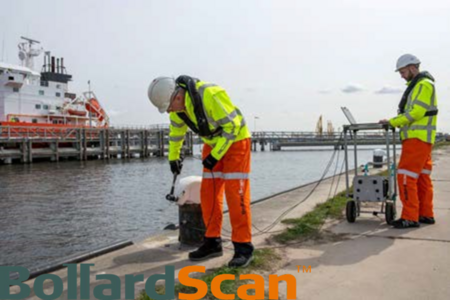


New ways to make operations physically safer



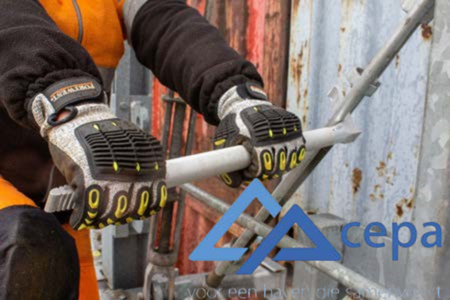
Innovation in Safety Award
The Innovation in Safety Award recognises outstanding safety initiatives in cargo logistics, offering valuable insights and inspiration for individuals, teams, and companies striving to improve industry standards.
What else are we involved in?
Join us at TOC Safety Village
The TT Club Safety Award, in partnership with ICHCA, celebrates safety innovation and anchors the Safety Village at TOC Europe, visit us to explore the latest solutions shaping safer port operations.
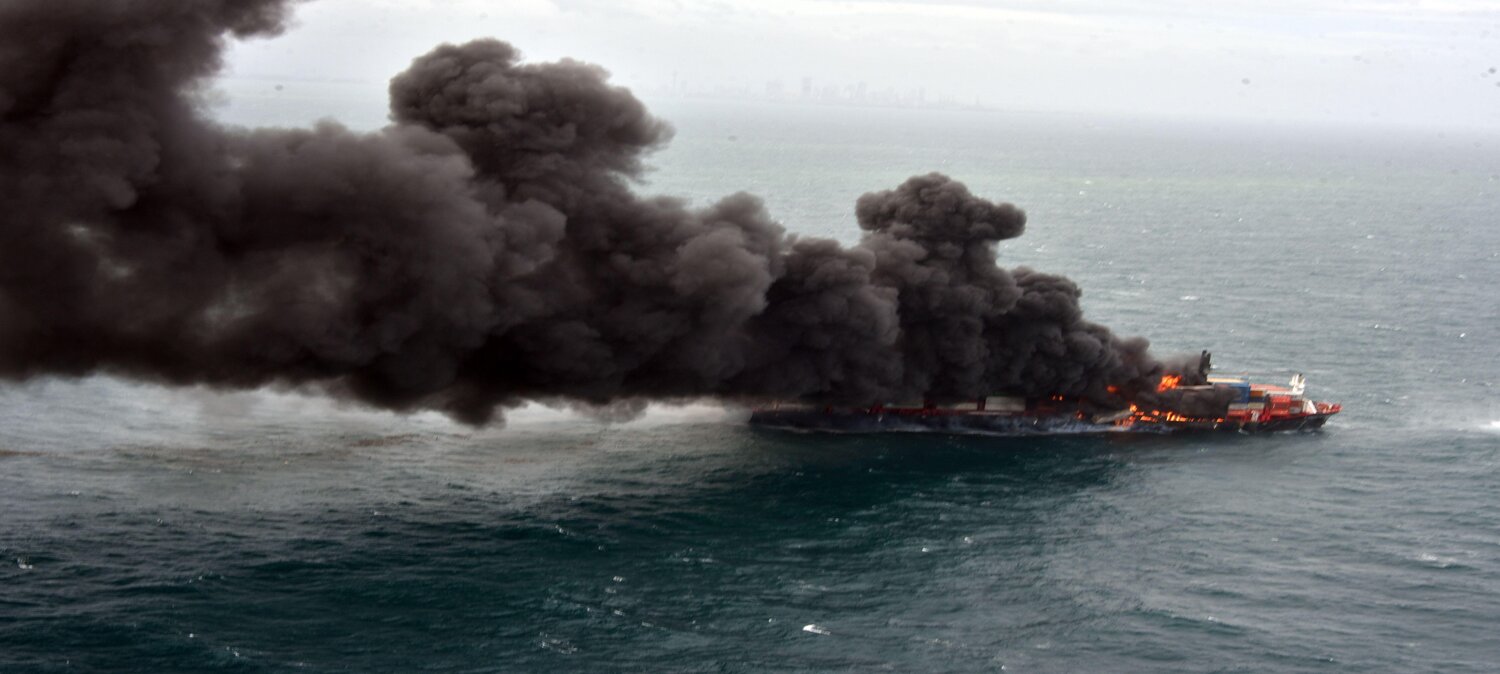
Cargo Fire and Loss Innovation Initiative (CFLII)
TT Club’s partnership with the Safetytech Accelerator through the Cargo Fire & Loss Innovation Initiative (CFLII) is driving collaborative innovation to prevent cargo fires and protect lives, bringing proven safety solutions into real-world shipping without the risk of going it alone.
Partners