

Carrier fraud in North America
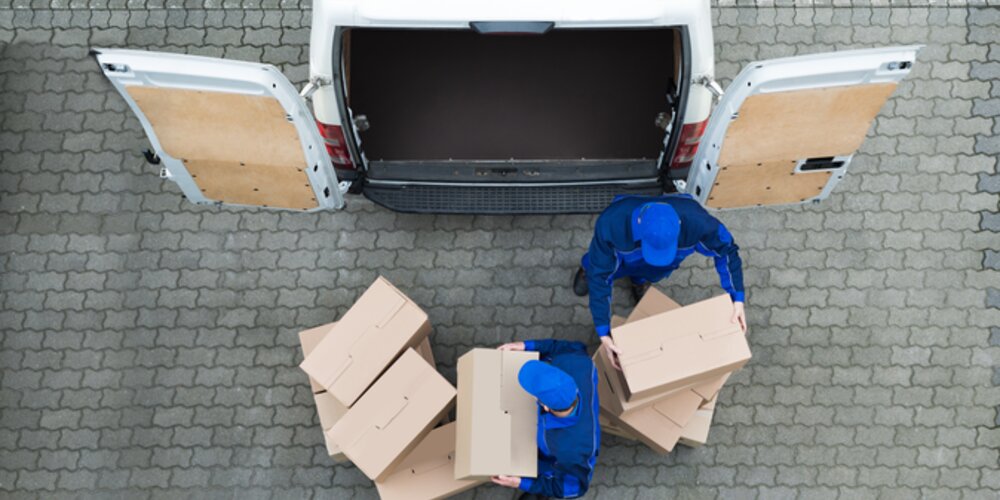
The strategy illustrated in this article is increasingly being used by cargo thieves in North America, it would be prudent for all transport operator Members to be aware.
A company providing logistics services out of Texas arranged for a collection of high value cargo for their customer, which they arranged to be transported using subcontracted hauliers to a buyer in Illinois. A truck driver duly arrived and collected the goods from the shipper, unfortunately, the cargo never made it to its destination
As soon as the cargo departed the warehouse, the driver cut off all communication. Attempts were made to contact the subcontractor company using the contact details provided but the attempts were unsuccessful. Two days after the cargo disappeared, the thieves made contact, stating that the load had been stolen and transported across the international border into Mexico.
The thieves knew the value of the cargo and, in a scheme reminiscent of recent online ransomware attacks, they demanded that a percentage of the value of the cargo be paid into a bank account to be provided in exchange for moving the stock back across the border to an undisclosed location in Texas. They gave a very short deadline with a view to hurrying the logistics provider into a decision in their favour, stating that a failure to act would result in sale of the stock on the Mexican black market.
The Logistics provider searched for the hauliers businesses using a registry monitoring service and contacted them using details they found online. They were informed that the thieves had stolen the identities of these legitimate businesses. Unfortunately, this knowledge came too late to prevent the theft of $245,000 worth of cargo
Practical loss prevention guidance
The ingenuity of cargo thieves should not be underestimated, it is becoming ever more difficult to detect fraudulent activity as criminals seek to employ counter measures in place to avoid detection. Robust due diligence procedures as a component of a layered security approach will provide greater security. There are also a number of practical operational strategies that could be employed by logistics operators as set out below:
1. Where practicable, only use trusted haulage providers. Avoid arranging transport with unknown entities via freight exchanges.
2. Confirm all information provided by the potential carrier is correct: We know perpetrators use different phone, fax and emails than the actual carrier. Consider using security platforms such as Carrier411, or perform a quick internet search on the carrier’s name. Numerous websites should provide the actual contact and equipment details for the actual trucker. If the contact details are different than those provided, a red flag should be raised and proceed with caution
3. Once identified, contact the real trucker through a known phone number from your searches. Confirm the following with the real trucker:
a. Company name, name of owner/driver, address, phone and email
b. Size of operation, number of drivers and pieces/type of equipment
c. Area of coverage; interstate or intrastate, Canada
d. When did you submit your carrier information to book a move?
4. Once it has been established that you are talking with the real carrier:
a. Confirm name of driver assigned to pick up the load
b. Confirm signage and license plate information on tractor/trailer and provide the same information to the shipper for further confirmation at the time of pick up
c. Where ever possible refrain from asking questions that will result in “yes” or “no” answers. Instead, ask the line of questioning listed above since you should be speaking to the real carrier.
Take time to consider risks – if something seems too good to be true – it probably is.
Below is a non-exhaustive list of recommendations that should be carried out by the warehouse or cargo releasing facility:
1. Take a photocopy of carrier’s Commercial Driver’s License
2. Confirm carrier’s driver’s license is a valid
3. Place a video or CCTV camera on the back wall shipping offices facing the driver window for clear identification of the collecting driver
4. Take a right thumbprint of unknown/unexpected drivers
5. Require drivers to sign in when arriving at the shipping window and verify their information on the sign in sheet. Ask the driver to wait while the their identity is verified with the trucking company
6. Photograph and confirm signage, numbers and plates on tractor doors and trailer. If signage does not match carrier’s information provided by the transportation broker or the signage is covered and not visible, contact the transportation broker for clarification and/or further instruction
First published November 2023
- Author
- George Radu
- Date
- 21/07/2026

09/10/2026
Ozan Durak named YLP Global Winner at 2026 FIATA World Congress
FIATA, the International Federation of Freight Forwarders Associations, in partnership with TT Club, is pleased to announce the 2026 Global Winner of the FIATA Young Logistics Professionals (YLP) Award, presented during the 2026 FIATA World Congress in Milan, Italy, during the 100th years of FIATA.