
Guidance note: Middle East developments - guidance for port and terminal Members
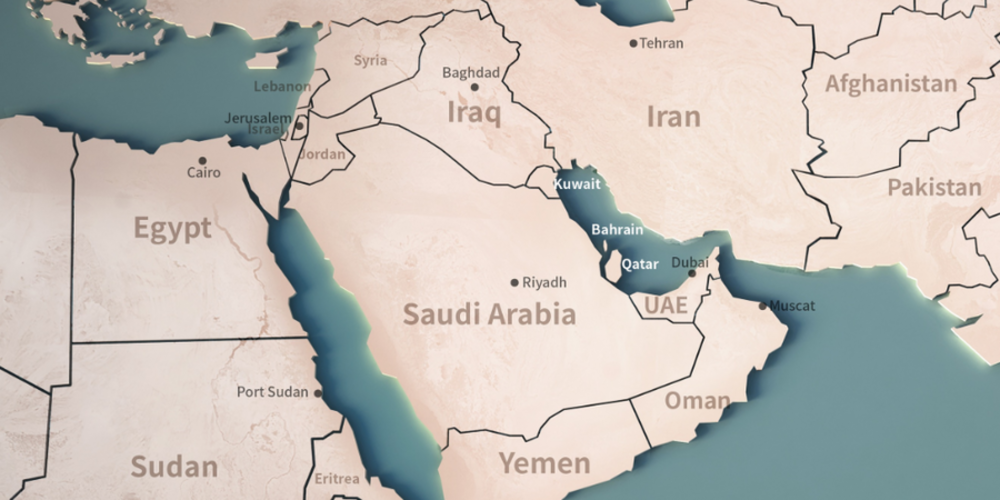
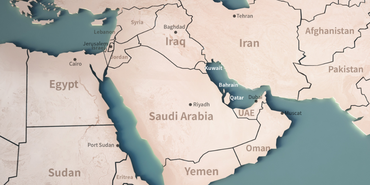
Developments in parts of the Middle East continue to present a complex and uncertain backdrop for port and terminal operations, with the potential for rapid change. As critical facilitators of global trade, ports and terminals may find themselves navigating a range of operational, contractual, safety, and liability challenges arising from broader geopolitical circumstances beyond their control.
This guidance note is intended to assist Members in understanding the key risk considerations associated with the current situation and to provide practical advice on maintaining operational resilience, safeguarding personnel and assets, and managing contractual and liability exposures in an evolving environment.
The dry commercial issues addressed in this note must of course be accepted in their necessary context, alongside the terrible human situation being faced in Iran, Israel and the Gulf states, and even beyond.
Contractual Implications
The ongoing conflict may give rise to contractual issues, including situations where a customer vessel berthed at a Member’s terminal, or cargo stored at the terminal, is damaged as a result of warrelated incidents.
There is no international convention governing the liability of terminal operators; accordingly, liability is determined by the contractual arrangements between the terminal and its customers. These arrangements are typically set out in Terminal Service Agreements (TSAs) or Standard Trading Conditions (STCs).
TSAs and STCs will usually include provisions addressing war risks and force majeure, which terminal operators may be able to rely upon when defending claims brought by customers following a war related incident. Where a force majeure defence is not expressly included in the contract, the law governing the relevant contract will typically determine whether such a defence is available and the scope of its application.
A landlord port authority may also have obligations to provide and maintain a safe and secure facility to enable its customers (i.e. tenants) to operate effectively and securely. During periods of heightened political risk, such obligations may include implementing enhanced security measures or restricting and controlling access to the port, including measures taken in accordance with the ISPS Code and local authority guidance.
These obligations may arise contractually—most commonly under concession or lease agreements—or under the local law or authority guidance applicable to the port authority in the jurisdiction in which the port is located.
Property, Handling Equipment and Business Interruption
War-related incidents may also have implications for cover in respect of property damage, handling equipment, and business interruption. Damage to a port’s insured infrastructure, buildings, plant, or cargo-handling equipment arising from war-related events will fall within policy war-risk exclusions.
Similarly, insured business interruption losses arising from physical damage, access restrictions, or berth blockage caused by war related events are also excluded under war risk exclusions.
Members are encouraged to review their insurance arrangements carefully, including any war risk exclusions, and to seek clarification from their brokers or usual TT Club contact where there is uncertainty as to the scope of cover.
Port of Refuge
In certain circumstances arising from war-related incidents, a vessel may seek access to a port or place of refuge due to damage, loss of propulsion, or other conditions affecting the safety of the vessel, crew, cargo, or the environment. The concept of a place of refuge is addressed in IMO Guidelines on Places of Refuge for Ships in Need of Assistance, which recognise the need to balance the interests of the ship in distress with the rights and responsibilities of the coastal State and port authority.
In the first instance, it is usually the port authority that will receive a request to provide a place of refuge, rather than a terminal operator. However, depending on the nature of the casualty, the configuration of the port, and the operational requirements involved—such as the need to discharge containers or other cargo—a request for a place of refuge may also directly involve a terminal facility.
If a port authority does respond, either out of obligation or choice, it is important to ensure that Member’s commercial exposures are protected as much as possible. This is clearly best done as part of the negotiation prior to accepting the ship; once alongside Member’s bargaining ability is much reduced.
We recommend that Members obtain a Letter of Indemnity (LOI) from the shipowner’s P&I Club in respect of certain liabilities, including wreck removal, channel blockage losses or costs, pollution clean up expenses, and damage to the berth or cargo handling equipment.
However, commercial costs—such as additional berth dues, stevedoring, craneage, container storage, and other handling or operational expenses—are typically not covered under such LOIs. These costs must be negotiated directly with the ship interests, and it is advisable to request a Letter of Undertaking (LOU) from the ship interests to ensure that these amounts are recoverable.
Wreck Removal
Where a war-related incident results in a vessel becoming a wreck or obstruction within port limits, issues of wreck removal may arise. Port authorities generally have statutory powers under local law to require the removal of a wreck where it poses a hazard to navigation, port operations, safety, or the marine environment. In many jurisdictions, these powers are supported by the principles set out in the Nairobi International Convention on the Removal of Wrecks, which establishes shipowner liability for wreck removal costs and requires owners to maintain financial security for such liabilities.
Although requests for wreck removal are typically directed at the shipowner and their insurers, terminal operators may be directly affected by the presence of a wreck through berth blockage, operational disruption, or damage to port infrastructure.
Members are strongly encouraged to ensure that vessels berthing at their ports carry adequate P&I insurance with reputable international insurers. This is particularly important to ensure that liabilities associated with wreck removal, pollution, channel obstruction, and damage to port infrastructure can be effectively addressed and recovered from the ship interests where appropriate.
Accumulation of Cargo
War-related events may result in significant accumulation of cargo at ports and terminals. Such accumulation can arise from vessel delays or diversions, port closures, restrictions on navigation, suspension of liner services, or disruption to hinterland transport links. These conditions can develop rapidly and may persist for extended periods, increasing Members’ operational and risk exposures.
From a risk perspective, increased cargo dwell times can heighten exposure to physical loss or damage, including deterioration, contamination, theft, fire, or congestion-related handling incidents. Accumulation may also increase the severity of a single loss event, particularly where large volumes of cargo are stored in close proximity or within confined terminal areas.
Members should also be mindful of the potential coverage implications associated with cargo accumulation. Elevated values and concentrations may exceed contractual or operational assumptions and may have implications for liability limits and sub limits under existing insurance arrangements. Members are encouraged to review their contractual terms with cargo interests, including storage conditions, time limits, and rights to move, segregate, or dispose of cargo where appropriate.
From a risk management perspective, Members should consider implementing enhanced monitoring and control measures during periods of heightened accumulation. This may include regular reassessment of storage layouts, segregation of hazardous or high value cargo, enhanced fire prevention and security arrangements, and clear contingency planning for prolonged disruption scenarios. Early engagement with cargo interests, insurance brokers, and relevant authorities is recommended where abnormal accumulation is anticipated.
Members are also encouraged to document decision making processes and mitigation steps taken in response to war related disruption, as this may be relevant in the event of a subsequent claim or dispute.
Key Points for Consideration
- Review and, where necessary, strengthen contractual protections in TSAs, STCs, concession, and lease agreements, with particular focus on war-risk and force majeure provisions.
- Avoid offering firm guarantees or inflexible service delivery commitments during periods that may be affected by rapidly evolving geopolitical developments.
- Do not assume recoverability of losses arising from war related events; review insurance arrangements carefully, including exclusions relating to property damage, handling equipment and business interruption
- Prepare for increased security requirements under the ISPS Code, including potential access restrictions, operational disruption, and compliance obligations.
- Be alert to the operational and liability implications of port of refuge requests and ensure legal advisers are engaged early in the negotiation process.
- Ensure vessels calling at the port carry adequate P&I insurance with reputable international insurers.
- Maintain clear records of mitigation measures, costs incurred, and communications to support recovery and claims handling.
- Where significant cargo accumulation is anticipated, Members should reassess storage layouts, segregation practices, and security and fire prevention measures.
- Ensure compliance with guidance and directives issued by local authorities in relation to security, access restrictions, and working conditions.
The Club will continue to monitor developments closely and will issue further guidance should the situation materially change. Our thoughts are with all affected by these events.
- Date
- 04/03/2026