
TT Club urges ports & terminals to strengthen resilience against increasing power failures
27 January 2026
TT Club, the leading global freight and logistics mutual insurer, warns that power failures, whether caused by grid instability, climate-related events, or technical faults, can have cascading impacts across transport and logistics networks.
With ageing energy grids and growing reliance on digital and electrically powered systems, the threat of disruption is rising – bringing with it significant commercial, safety, and insurance implications. The 2025 Iberian Peninsula blackout starkly illustrated how the failure of a single transformer can halt transport operations across multiple countries for hours.
Renewables shift puts power reliability in focus
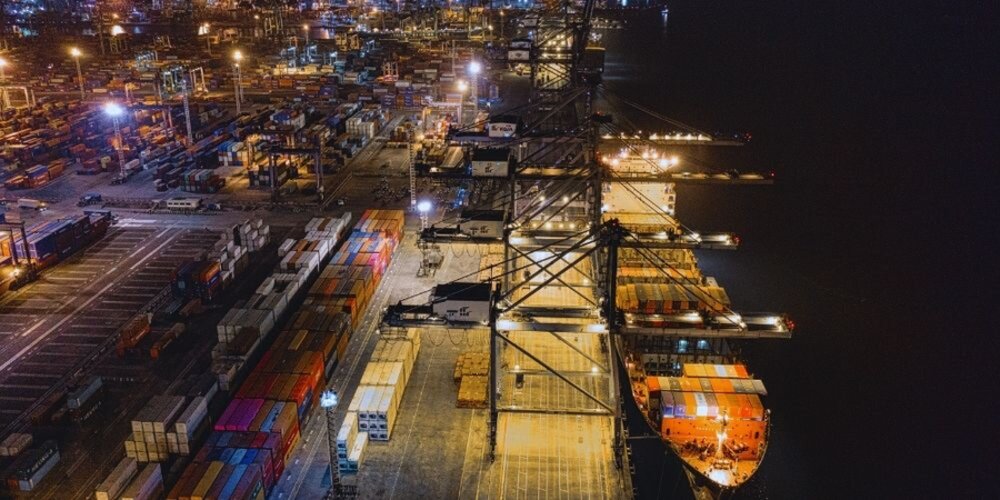
As energy systems evolve to integrate renewable sources, the complexity of maintaining continuous supply is increasing. Recent uncertainty in global climate and energy policy – including setbacks to international efforts to decarbonise shipping – may also delay investments and coordination essential to stabilising future power networks. At the same time, ports are more dependent than ever on electrical systems for cranes, pumps, security, and digital operations, making them especially vulnerable when the lights go out.
To strengthen resilience and ensure business continuity during power disruptions, TT Club outlines the following key actions for ports and terminal operators:
- Conduct a criticality assessment to identify essential systems and acceptable downtimes.
- Add redundancy to IT infrastructure, ensuring vital systems and communication channels remain functional during outages.
- Establish robust emergency power and fuel plans, including maintained generators and backup batteries.
- Develop and train staff in safe shutdown procedures to prevent injury and equipment damage during a blackout.
- Strengthen communication resilience, such as maintaining VHF radios and paper-based contact lists in case networks fail.
- Plan for recovery, recognising that restarting high-voltage systems must be managed carefully to avoid further damage.
Operational readiness keeps cargo moving when the lights go out
Proactive planning – including regular drills and cross-departmental coordination – remains the most effective way to safeguard operations and personnel in the event of power loss.
“Power outages are no longer rare or isolated, they’re an operational reality that every port and terminal must factor into its resilience planning,” explains Harry Palmer, Risk Assessment Manager. “Preparing for both local and widespread blackouts, rehearsing safe shutdowns, and ensuring alternative communication methods are in place are essential steps to protect people, assets, and supply chains when the unexpected happens.”
Power outages are no longer rare or isolated, they’re an operational reality
As global trade continues to rely on increasingly interconnected infrastructure, investing in energy resilience has become a business necessity rather than a contingency. By embedding power failure preparedness into everyday operations, ports and terminals can strengthen their role as reliable nodes in the global logistics chain – keeping cargo moving safely and efficiently, even when the power stops flowing.
- Author
- Harry Palmer
- Date
- 27/01/2026