
TT Talk: The perennial challenge of wreck removal
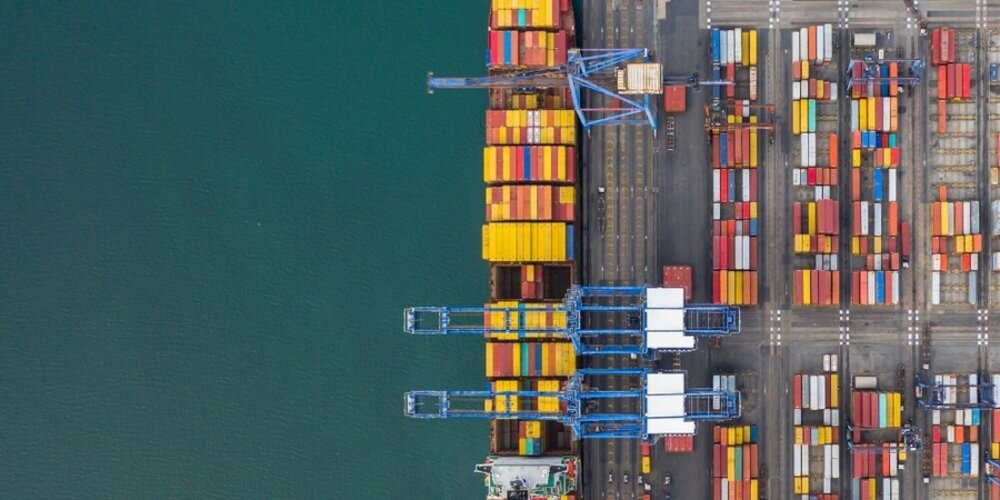
The risk to port authorities from abandoned or uninsured ships and small craft is real and potentially costly. When a ship sinks within harbour limits, and the owner cannot be traced or its insurance is inadequate, the port will have a legal duty to act on the resulting wreck. This may be to prevent pollution, clear navigational channels or protect business continuity.
To avoid the costs and disruption of wrecks, ports should review their procedures regarding arriving ships as well as their own insurance arrangements.
Wreck risks
When vessels become unseaworthy or sink, the port authority can face significant exposure:
- Pollution clean-up, including fuel removal and environmental protection
- Heavy lifting and salvage, including cranes, divers, and specialist salvors and equipment
- Business interruption, such as from blocked berths or channels
- Legal complexity, with unclear ownership and enforcement challenges
- Insurance gaps, with neither the ship nor port covered for wreck removal
Wreck removal costs can escalate quickly – and an insurance gap can leave the port footing the bill. In a recent case in Australasia, a ship with unknown ownership was abandoned in port creating a pollution and navigation risk. The port had to remove the fuel oil at a cost of over US$100,000 and then needed to pay over US$300,000 for it to be scrapped to avoid it becoming a wreck. Fortunately, the port was covered by its liability insurance policy.
Wreck removal costs can escalate quickly – and an insurance gap can leave the port footing the bill.
Mitigating the risk
Ports often serve a diverse mix of vessels, many of which fall outside the strict inspection regimes applied to ocean-going ships. And with ports increasingly diversifying their businesses to stay competitive, new cargo types bring new and potentially higher-risk ships. Furthermore, the regulatory environment is highly segmented across ship types, and sometimes bad actors mean even regular ocean-going ships can become a liability in port.
Smaller craft of less than 500 GT – such fishing boats, private ferries, houseboats, leisure craft, barges and small workboats – may have limited or no insurance, and their hull policies might not include wreck removal. Limited classification schemes and infrequent vessel condition surveys may also lead to a higher risk of unseaworthiness.
For larger ships, while they are usually insured under comprehensive marine policies, problems arise when their ownership structure is opaque, their crews have not been paid, or they are sanctioned, flagged for convenience or have outstanding conditions of class. ‘Dark fleet’ operations further complicate liability. In addition, once a poorly maintained or abandoned ship becomes unseaworthy alongside in port, simple removal or towage out of the port may be impossible due to class or flag state restrictions.
What ports should do:
Ports cannot assume a ship owner’s insurance will cover wreck removal. The financial exposure to abandoned and sinking ships and small craft is real and growing, so proactive measures are essential. Due diligence should be carried out before any ship enters the port. Ports should confirm ship insurance cover is in place that includes wreck removal and pollution, and check the ownership structure and hull condition – typically through class and any outstanding conditions of class. Other information sources include the International Group of P&I Clubs Vessel Search resource and due-diligence portals such as Rightship.
Ports should review their own standard terms and conditions to ensure they require minimum insurance cover and include the rights to refuse or expel ships. Auditing or permit schemes should be implemented for smaller craft, which may include physical inspections to assess seaworthiness and safety.
Ports should review their own standard terms and conditions to ensure they require minimum insurance cover and include the rights to refuse or expel ships.
Ports should also pre-plan their emergency response to wrecks, including finding and building relationships with local heavy-lift, salvage and diving contractors before a crisis hits.
Finally, given their potential exposure to abandoned and sinking vessels, ports should review their own insurance arrangements. Coverage should include third-party liability for pollution and obstruction caused by wrecks, contingent coverage in case a vessel’s insurer does not respond, and environmental clean-up costs including salvage operations and disposal. Ports should engage with their broker to ensure all these risks are adequately addressed in their policies.
Conclusions
A poorly maintained vessel can quickly become a costly wreck removal. Without proper insurance or ownership accountability, the burden of recovery and clean-up can fall directly on the port authority. Through diligent vetting, auditing schemes and robust insurance arrangements, ports can mitigate these risks and avoid costly surprises.
Documents
TT_Talk_-_December_-_Edition_329__Chinese_.pdf (486 kB) 23/12/2025
- Author
- Harry Palmer
- Date
- 02/12/2025