
TT Talk - Using AI for customs declarations
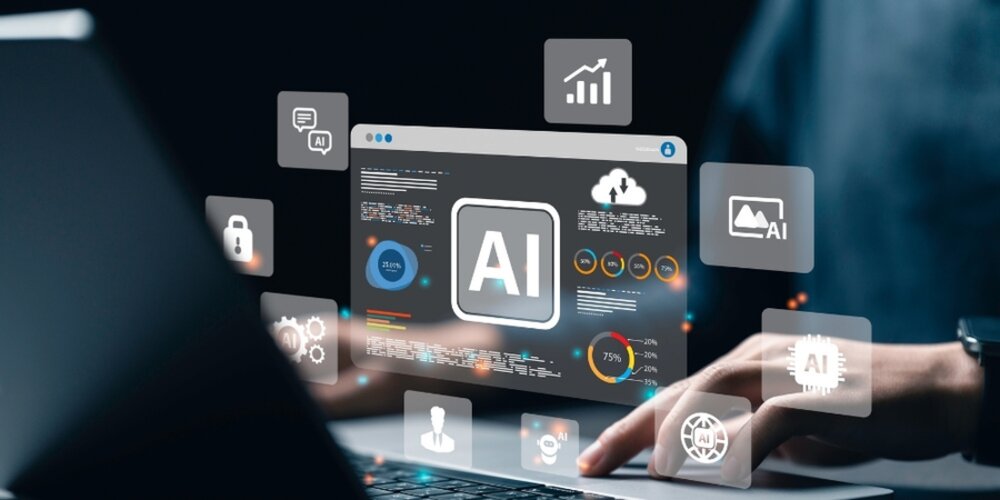
The growing complexity and volume of global trade – together with the heightened risk of fines and delays from customs misdeclarations – is naturally creating a greater time burden for freight forwarders and other transport and logistics professionals as they prepare customs declarations.
One solution is to use artificial intelligence (AI), specifically machine-learning models, to speed up the process and ensure greater accuracy. But it is vital for freight forwarders and others to maintain human oversight of the customs declaration process to ensure they achieve the full benefits.
Benefits of AI
The key benefits of using AI technologies are efficiency and speed. Machine learning, a subset of AI that allows systems to learn and improve from data and experience, is ideally suited to automating repetitive data entry and document-processing tasks. It can help with faster drafting of customs declaration forms, such as the European Single Administrative Document, as well as reduce the risk of non-compliance errors and clearance delays caused by manually completing documents.
Machine-learning models can also improve accuracy by validating customs documentation against regulatory requirements. They can cross-check HS and tariff codes, values, commercial invoices, packing lists and export licenses in real time, and improve detection of missing or inconsistent data. The models can also seamlessly integrate with client enterprise resource planning systems and customs platforms, providing greater transparency on import duty calculations, and are able to handle large volumes of transactions to facilitate business growth.
Another benefit is enhanced risk management – machine-learning models can flag high-risk consignments for further review, and predictive analytics can anticipate compliance and clearance issues before submission of customs documentation.
Machine learning, a subset of AI that allows systems to learn and improve from data and experience, is ideally suited to automating repetitive data entry and document-processing tasks.
Risks and challenges
However, it is important to remember that AI systems are only as good as the data they receive. Poor data quality can lead to incorrect declarations, and over-reliance on automation may reduce human oversight and increase the risk of undetected errors.
Customs regulations are complex and subject to frequent change, such that there is a risk the AI models may lag behind regulatory updates.
Legal liability for customs misdeclarations can remain with the freight forwarder, even if errors are made by automated systems, potentially resulting in non-compliance fines and clearance delays to the cargo. In jurisdictions such as Australia, it could be possible to defend a claim following an error, however the customs broker would need to evidence that they had exercised due diligence and had robust systems, operating procedures and training in place to mitigate risk. Where AI technologies are implemented, there could arguably be a heightened need to evidence due diligence.
Security of confidential information is another risk. Sensitive commercial and shipment data processed by AI systems may be vulnerable to cyber-attack, so freight forwarders need to ensure their systems provide robust data privacy and comply with relevant data protection laws.
Lack of transparency and explainability are concerns too. Machine-learning models can be ‘black boxes’, making it difficult to explain or justify decisions to customs authorities. It may also be a challenge to audit the AI system and trace any sources of errors.
Finally, there is a risk of deskilling. Freight forwarders’ staff may lose expertise in customs procedures if they become overly reliant on AI systems. There could be an erosion of expertise over time, which will need to be addressed through ongoing training to supervise and validate machine-learning outputs.
Striking the right balance
Freight forwarders and other transport and logistics professionals considering adopting AI to help with customs declarations should ensure they maintain robust processes for human oversight and review. This means continually investing in staff training to ensure a comprehensive understanding of both machine-learning technology and international customs requirements.
Users need to ensure their machine-learning models are continually or regularly updated to reflect all relevant regulatory changes. In addition, the systems should be programmed to provide clear documentation and audit trails for declarations, so that the reasons for any discrepancies or errors can be understood, explained, and corrected going forward. As with more traditional methods, repeated errors over a period of time can accumulate quickly and manifest in significant losses.
Users need to ensure their machine-learning models are continually or regularly updated to reflect all relevant regulatory changes
Finally, users should collaborate with the system technology providers to ensure robust data security and compliance.
Conclusion
AI systems, specifically machine-learning models, offer significant benefits for freight forwarders and other transport and logistics professionals in preparing their customs declarations, but they are not a panacea. A balanced approach – leveraging technology while maintaining human expertise and oversight – is essential to maximise the benefits and minimise the risks. Ongoing vigilance, investment in people, and adaptability to regulatory change will be the keys to success.
Documents
TT Talk - February 2026 - Chinese Translation (414 kB) 03/02/2026
- Author
- Mike Yarwood
- Date
- 03/02/2026