
Climate-ready Supply Chain: Urgent Guidance for Ports, Waterways and Logistics Operations
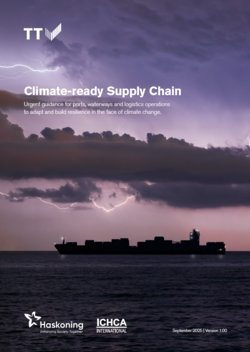
The TT Climate-ready Supply Chain whitepaper outlines urgent guidelines for adapting ports, waterways, and logistics operations in response to the escalating threats posed by climate change. It details how climate-related disruptions have already impacted global supply chains, urging immediate action to build resilience. The document introduces concepts of climate adaptation and resilience, emphasising the critical difference between the two. While adaptation concerns specific actions to adjust infrastructure and operations to mitigate climate risks, resilience refers to the broader capacity to endure and recover from climate shocks. Given the recent severe weather events across continents, which have resulted in billions of dollars in economic losses, the document stresses the importance of understanding climate data, risks, and opportunities.
Practical adaptation measures
The guidelines recommend practical measures, including conducting comprehensive risk assessments, integrating climate risks into business strategies, and developing climate resilience strategies. Operators are encouraged to implement monitoring initiatives to continually assess climate impacts on infrastructure and operations. Emphasising the benefits of early action, the guidance suggests adapting infrastructure, investing in energy-efficient technologies, and leveraging technological innovations to enhance operational efficiency.
This document serves as a critical resource for ports and logistics entities seeking to safeguard their operations against future climate challenges, providing actionable insights and frameworks aimed at fostering a climate-resilient supply chain. By prioritising these initiatives, businesses can not only mitigate risks but also enhance their sustainability and competitive edge in a changing climate.
Key takeaways
- Understanding climate risks is crucial for logistics operations.
- Climate adaptation involves specific actions; resilience is the outcome.
- Immediate action can significantly reduce future costs and disruptions.
- Monitoring climate impacts is essential for ongoing adaptation efforts.
- Investing in climate resilience is a strategic imperative for businesses.
Frequently asked questions
What are the key risks posed by climate change to logistics?
Ports face various risks, including infrastructure damage from extreme weather, operational disruptions, and increased operational costs.
How can ports enhance their climate resilience?
Ports can enhance resilience by conducting risk assessments, integrating climate data into strategies, and investing in adaptive infrastructure.
What is the difference between climate adaptation and resilience?
Adaptation refers to specific actions taken to adjust to climate impacts, while resilience is the overall ability to recover from those impacts.
Documents
TT Club - Climate Ready Supply Chain Whitepaper (6.12 MB) 22/09/2025
- Date
- 22/09/2025