
TT Talk – Flood risk and how to reduce it
The world’s supply chains are facing a growing threat of disruption from flooding. Climate change, together with instances of inadequate drainage or insufficient maintenance in some locations, means that ports, terminals and warehouses — many of which are situated in low‑lying areas — are increasingly exposed to extreme rainfall, flash floods, storm surges and “weather bombs".
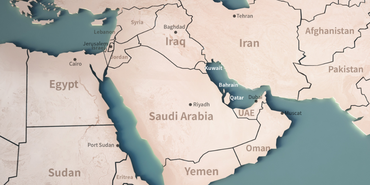
Flood risks have increased everywhere in recent years, including in regions traditionally considered to be dry. The hugely damaging UAE floods of April 2024 and December 2025, which followed record-breaking rainfall events, are a stark reminder that nowhere is immune. All transport and logistics businesses – and in particular port, terminal and warehouse operators – need to adopt proactive strategies to mitigate the potential disruption, losses and liabilities arising from flooding.
Flood risks have increased everywhere in recent years, including in regions traditionally considered to be dry.
Consequences and causes
Flood water is unforgiving: it penetrates structures, damages cargo and equipment, and can carry contaminants that endanger people and the environment. Indirect losses from flooding – such as business interruption, reputational damage and insurance gaps – often exceed insured losses.
TT Club was recently involved in a flooding incident involving multiple warehouses storing paper products. The buildings suffered water ingress during a storm, which led to extensive cargo damage, customer dissatisfaction, operational downtime and costly remediation. An investigation found that the warehouse drainage system was under-designed by a factor of 10, that water flows in roof gutters were blocked due to vegetation growth, and that subsidence of hardstandings created pooling zones which overwhelmed surface water drainage.
Warehouse flood protection
Port, terminal and warehouse operators urgently need to ensure that the design of their buildings, pavements and drainage systems remain adequate to protect against water ingress and flooding. Drainage capacity should be assessed against current and predicted storm and rainfall intensities rather than outdated long-term averages.
Possible upgrades to traditional drainage systems include siphonic roof drainage, in which air is prevented from entering the drainage pipes. This causes a siphon effect that makes pipes run at full bore, leading to a faster, more efficient and self-cleansing way to drain large flat roofs. Another option is ‘blue-green’ infrastructure, in which permeable water-retention features are combined with planting to mimic natural water storage. This can significantly reduce rainfall run-off from surrounding ground.
Drainage upgrades should always be integrated with any port, terminal or warehouse expansion. Increasing impermeable areas such as roofs or pavements will lead to extra rainfall run-off, which will require a capacity increase to the existing surface water drainage system. It is also important to check that any new construction does not block existing surface water run-off routes to sea and river outfalls.
Given the globally predicted increases in rainfall and sea levels, longer-term consideration should be given to using permeable paving, installing flood barriers and raising the height of existing floors and equipment.
Building and drainage maintenance
Even the best-designed buildings and drainage systems need regular maintenance to continue performing as intended. All roof gutters and drains should be cleared and cleaned regularly as blockages from vegetation, debris or silt can turn a minor rainfall into a costly flooding event. Sea and river outfalls may be tidally submerged, so it is important to check that flap valves, penstocks and trash-screens remain clear and serviceable.
Interceptor pits, gullies, sump pumps and associated power supplies need to be regularly inspected and serviced to ensure they will continue functioning during expected peak flows from high-intensity storm and rainfall events. The condition of all roof, wall, floor and door seals needs to inspected, while flat roofs and paved areas should be checked for low spots caused by subsidence or settlement – which in turn can lead to localised flooding that overwhelms the drainage system.
It is also important to document all maintenance activities as these records could help to defend any liability claims following a flooding event, demonstrating the operator’s due diligence.
Risk management
Flood resilience should form part of a port, terminal or warehouse operator’s overall risk management strategy. This includes:
- conducting thorough and regular flood risk management assessments and revisiting them after any operational changes
- storing cargoes sensitive to water damage in areas assessed as having the lowest water ingress and flood risk, and avoiding high-risk zones
- upgrading building structures, pavements and drainage systems as required to prevent water ingress and mitigate flood risk, possibly as part of wider port flood defences
- adopting predictive maintenance regimes, including using remote sensors to monitor building and drainage performance
- collaborating with landlords and insurers to clarify responsibilities for upgrades and maintenance under lease agreements
- drawing up flood response and business continuity plans, including emergency contractors, salvage partners, temporary flood defences, emergency pumping and drain clearing, cargo relocation and back-up power sources
- conducting regular flood emergency drills with all warehouse staff
- maintaining appropriate flood liability insurance cover.
Detailed records of all risk assessments, upgrades, maintenance and emergency actions should be maintained in line with insurance requirements as these will strengthen the operator’s defences to any subsequent liability claims.
Conclusion
Flooding is an increasing and potentially ruinous risk for port, terminal and warehouse operators worldwide. Operators need to check their existing drainage systems are fit for purpose given that extreme storm and rainfall events are increasingly likely and that facilities may have been expanded since the drainage system was built.
They should consider climate-resilient upgrades and ensure that all drainage infrastructure is regularly checked and maintained. Flood risk should be part of the overall risk management strategy for ports, terminals and warehouses, including emergency flood response planning and drills.
Documents
TT Talk - February 2026 - Chinese Translation (414 kB) 03/02/2026
- Author
- Harry Palmer
- Date
- 03/02/2026