
StopLoss: Truck driver safety
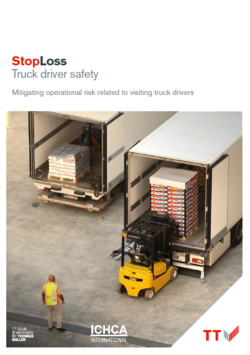
Truck drivers play a crucial role in logistics, yet their safety is often compromised when they exit their vehicles. This StopLoss briefing addresses the risks truck drivers face outside of their cabs, particularly in operational areas.
Understanding risks
The document highlights various reasons why drivers might leave their vehicles, including operational necessities and personal needs. Common hazards include exposure to heavy machinery, slipping hazards, and potential cargo-related incidents. Understanding the behaviours and backgrounds of drivers is essential for effective risk management.
Building a safety culture
Developing a robust safety culture involves comprehensive risk assessments that include third-party drivers. Sites must establish clear communication protocols and ensure that drivers are aware of safety measures and procedures. For instance, training can empower drivers to understand site-specific risks and expectations.
Common risks and mitigation strategies
The briefing categorises risks into direct threats, such as collisions with vehicles and cargo shifts, and indirect factors like site congestion. Suggested mitigation strategies focus on proactive safety measures, regular training for drivers, and continuous communication about safety protocols.
Effective case studies
The briefing includes a case study on Norfolk International Terminals, where implementing AI-assisted CCTV improved communication and reduced risks by monitoring driver behaviour effectively. This exemplifies how tech can enhance safety within operational zones.
Conclusions & recommendations
To protect truck drivers, sites must prioritise the development of safe environments, enforce strict safety protocols, and foster a culture that values driver wellbeing. Continuous risk assessments and proactive communications are vital for minimising exposure to hazards.
Key takeaways
- Truck drivers face significant risks outside their vehicles.
- Understanding driver behaviours is essential for risk management.
- Implementing training and clear communication enhances safety.
- AI technologies can improve safety monitoring in busy operations.
- A proactive safety culture is necessary to protect truck drivers.
Frequently asked questions
What are the main risks for truck drivers on site?
Truck drivers face risks from vehicle collisions, cargo shifts, slips, trips, and falls when they exit their vehicles.
How can companies improve truck driver safety?
Companies can improve safety by implementing robust training programs, clear communication protocols, and using technology for monitoring.
What role does culture play in truck driver safety?
A strong safety culture promotes compliance with safety rules, enabling better protection for truck drivers on site.
Documents
Stop Loss - Truck Driver Safety (3.17 MB) 28/08/2025
- Date
- 28/08/2025