
Cybercrime is evolving rapidly, and the supply chain is a prime target. Fraudsters exploit digital platforms to create false documents, impersonate legitimate businesses, and manipulate transactions—often using AI to enhance sophistication and scale. TT Club warns that these attacks can lead to financial loss, cargo misdirection, and reputational damage.
This page highlights key risks, including phishing, invoice fraud, and synthetic identity scams, and offers practical steps to strengthen resilience. From robust verification processes to staff training and multi-layered security protocols, proactive measures are essential to protect operations against the growing threat of cyber-enabled fraud.
Get in touch
If you would like more information on any of these topics, submit an enquiry to our Loss Prevention team.
Latest publications
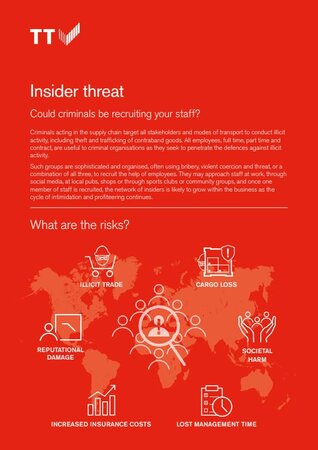

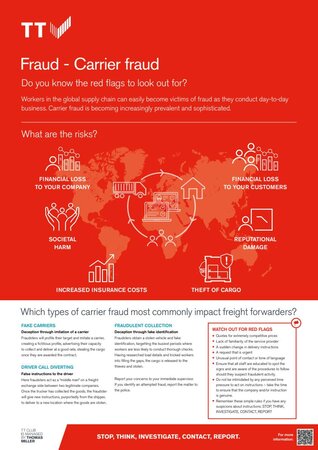
Today’s digital business environment has enabled fraudsters to create fictitious companies, intercept legitimate business transactions and obscure fraudulent activityreducing their risk of getting caught.
Latest resources







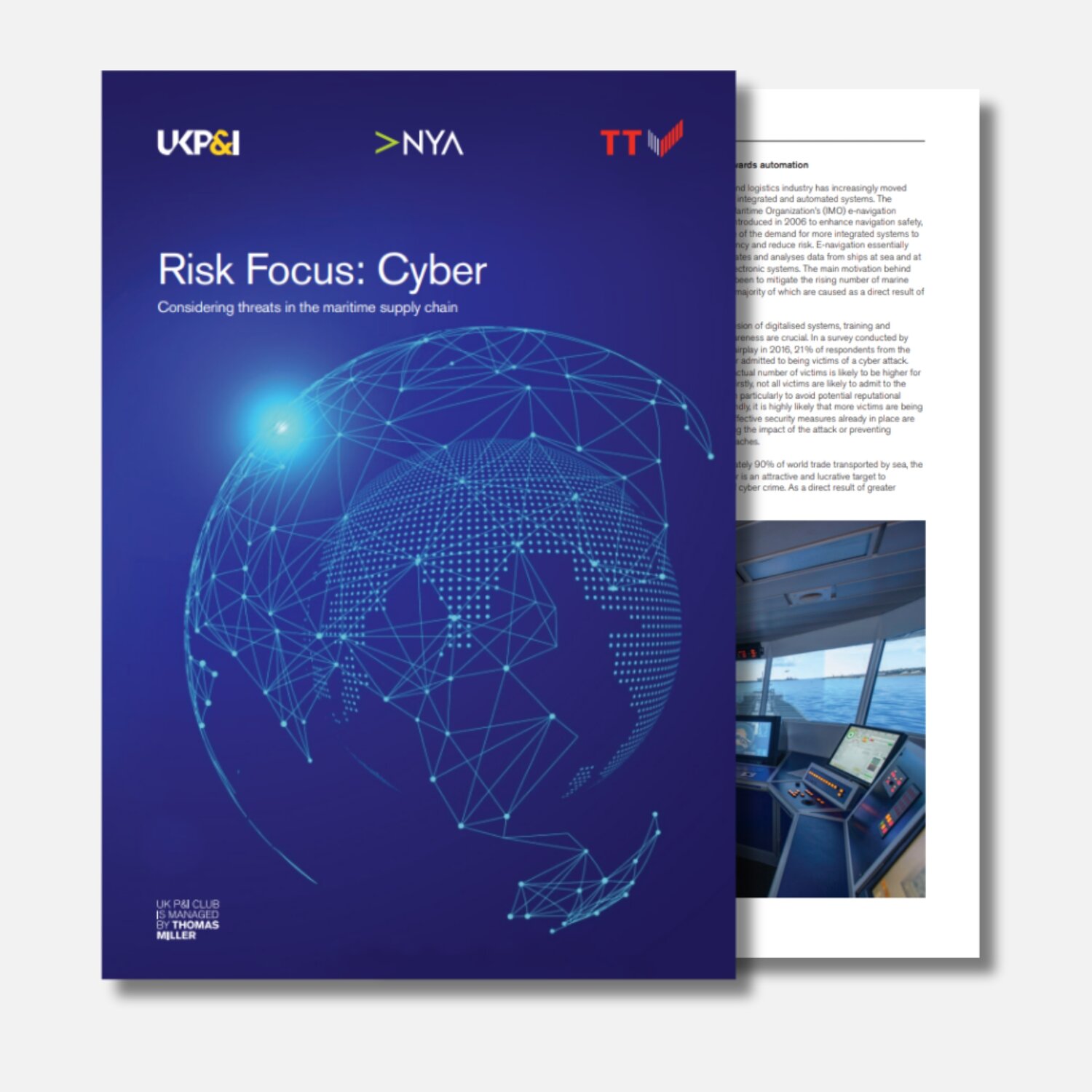
The maritime industry's reliance on computers and its increasing interconnectivity within the sector makes it highly vulnerable to cyber incidents.
Cyber poses a threat to all parts of the shipping sector and can be defined as the risk of loss or damage or disruption from failure of electronic systems and technological networks.
With the number of cyber attacks targeting the shipping industry on the rise, TT Club and worked with the UK Club and industry experts to produce the following guide for Members on how they can help prevent losses and disruption due to malicious cyber activity.