
TT Talk - Storm season resilience: Atlantic hurricane season forecast for 2026
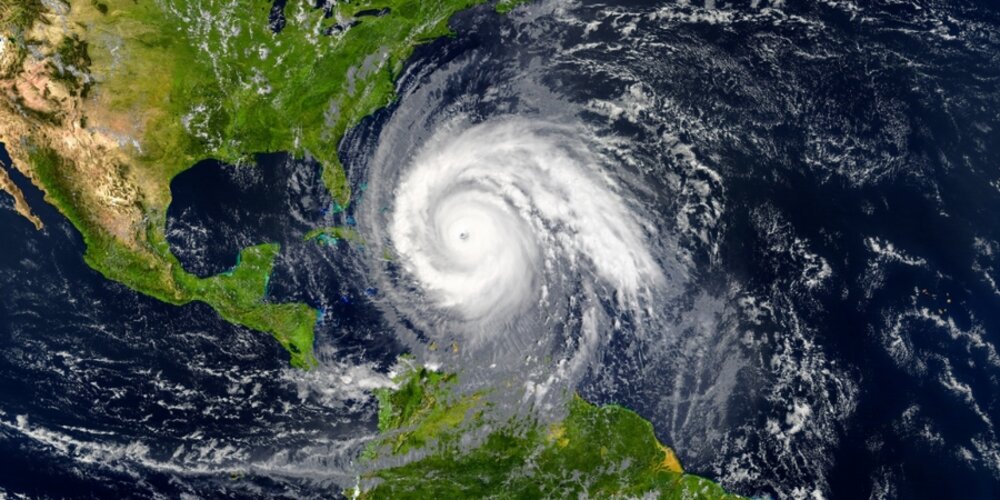
Another active but slightly below average Atlantic hurricane season is expected in 2026, according to the latest forecast from Colorado State University (CSU), reflecting ongoing climate volatility and persistent risk of damaging storms. Even in a forecast quieter season, all ports, terminals and warehouses are reminded to check the robustness of their storm preparedness procedures and review their insurance cover for extreme weather events and other weather-related natural disasters.
“These annual forecasts serve as a timely reminder to ports, terminals and warehouses to check the robustness of their storm preparedness procedures”
Colorado State University (CSU) forecast in April 2026 that the Atlantic hurricane season, running from 1 June to 30 November, will generate:
- 13 named storms, slightly below the 1991–2020 average of 14.4
- Six hurricanes, compared with a long-term average of 7.2
- Two major hurricanes (Category 3 or higher), below the long-term average of 3.2
- An Accumulated Cyclone Energy (ACE) value of 90, notably lower than the average of 123
CSU expects overall hurricane activity in 2026 to be somewhat below average, equivalent to roughly 75% of typical seasonal activity. The forecast will be updated on 10 June, 8 July and 5 August as the season develops, so it is prudent to revisit these predictions throughout the season.
Forecasters indicate that weak La Niña conditions are likely to transition to El Niño during the peak of the season, increasing vertical wind shear across the Atlantic which tends to suppress storm formation. While sea surface temperatures in the western Atlantic remain warmer than normal, conditions in the eastern and central Atlantic are slightly cooler, further limiting storm intensity.
Even below average seasons can be costly
Despite reduced forecast storm numbers, historical experience demonstrates that it only takes one hurricane making landfall to cause significant damage, supply chain disruption, and loss of life. CSU emphasises that thorough preparation is essential every season, regardless of predicted activity.
In recent years, extreme weather losses have continued to rise. Insurers report that natural catastrophe losses have exceeded US$100 billion globally.
In recent years, extreme weather losses have continued to rise. Insurers report that natural catastrophe losses have exceeded US$100 billion globally for multiple consecutive years, driven predominantly by windstorm, flooding and severe convective storms, particularly in North America.
Hurricane safety procedures
The onset of the tropical storm season remains a timely reminder for ports, warehouses and transport and logistics operators to review, test and update their hurricane safety procedures, ensuring all staff are familiar with emergency protocols. This applies to coastal and inland facilities, particularly those along the Atlantic seaboard, the Caribbean and the Gulf coast.
As part of an effective crisis management plan, it is essential that personnel understand their roles and responsibilities, including communication and escalation procedures, well in advance of any weather warning. Given the recent and increasing unpredictability of the storms, in terms of their path and intensity, those facilities who may not have suffered major damage in the past should be vigilant and expect the worst, when named storms are forecast to impact their locations.
Operational resilience and preparedness
While modern forecasting typically provides several days’ advance notice of severe storms, experience continues to highlight the need for constant vigilance and strong operational discipline, including:
- Ensuring cranes are properly maintained (brakes), pinned and secured when not in operation.
- Communicating and enforcing clear operational procedures to cease activity beyond specified wind speed conditions.
- Clear instructions to operators regarding actions during unexpected wind gusts.
- Maintaining effective housekeeping standards to minimise wind and surge related damage.
TT Club’s Windstorm II guidance handbook provides a comprehensive storm preparedness checklist and in-depth discussion of practical risk mitigation strategies relevant to port and terminal operations.
Summary
Although the 2026 Atlantic hurricane season is forecast to be slightly below the long-term average, the risk of disruption to ports, terminals and transport networks remains significant. Forecast numbers do not lessen the potential impact of a single major storm.
The time to assess exposure to weather-related risks is always in advance: planning and preparation remain essential to protecting personnel, assets, infrastructure, cargo and contractual liabilities, while maximising operational resilience throughout the storm season.
Documents
TT Talk: May - Chinese translation (641 kB) 08/06/2026
- Author
- Neil Dalus
- Date
- 12/05/2026